Beyond Potency: Terpenes and the Rest of the Lab Report
By Adil K. · Lab Reports & Product Verification · Published 2026-08-11 · 6 min read · Published by 247 Smoke Shop Sand Lake / Universal Studio, Orlando, FL · 21+
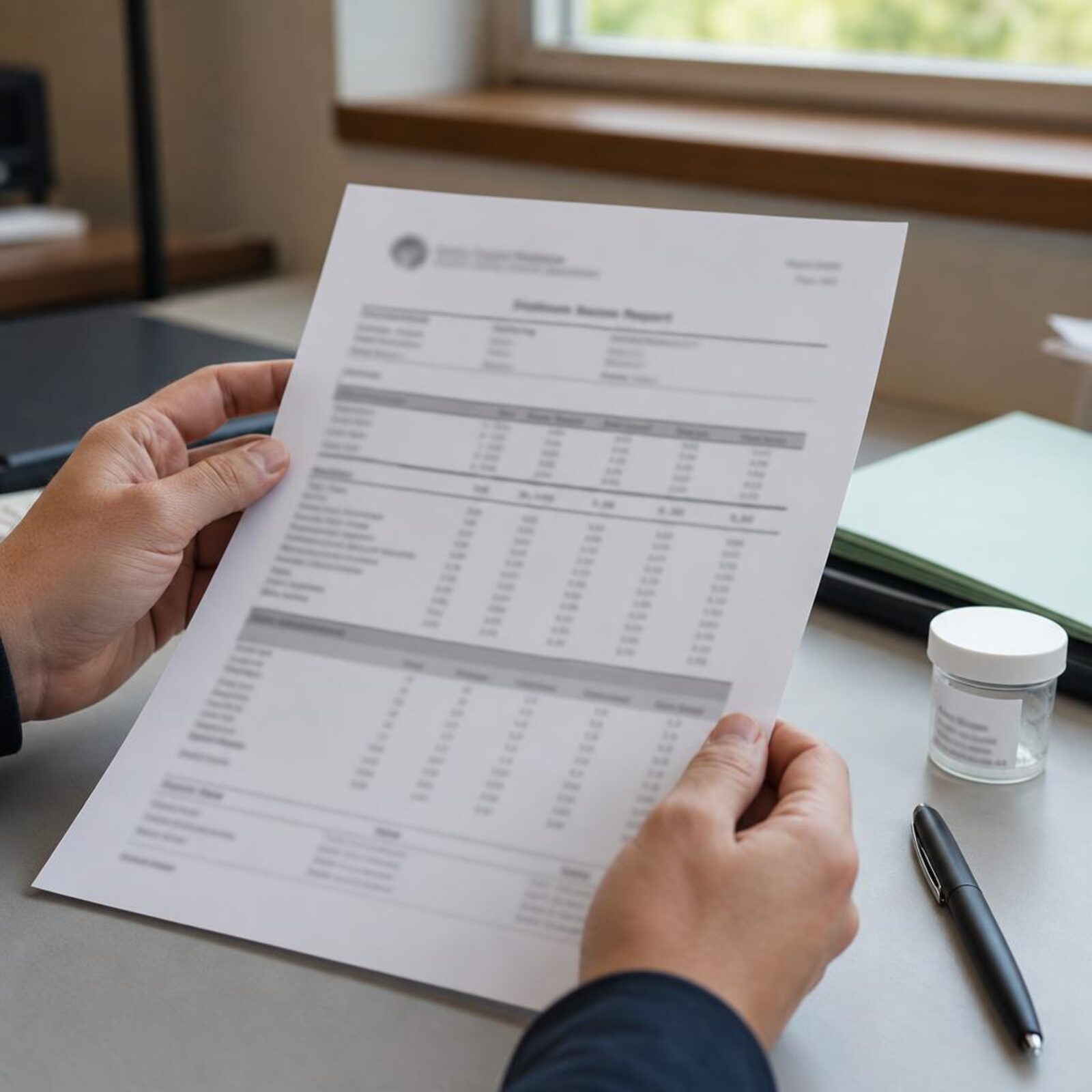
Our COA guide covers the essentials: matching batch numbers, reading the potency table, understanding total THC. This one is for the reader who kept scrolling and found more tables — because on a full-panel report, the later pages are where quality actually shows.
The terpene profile
Terpenes are the aromatic compounds that give a strain its character — the citrus in one jar, the pine and pepper in another. A terpene table lists each compound found and its percentage by weight; the profile's shape (which terpenes dominate) is the strain's real fingerprint, far more specific than 'indica' or 'sativa' on the shelf tag.
Not every COA includes one. Terpene testing costs extra and isn't required, so when a producer pays to publish one anyway, you're at least looking at extra transparency — though absence doesn't make a product bad. Total terpene content varies with the batch and how it was handled — flower that sat hot and dry sheds terpenes, which connects directly to the storage practices in our freshness guide.
Contaminant panels
Full-panel reports include safety screens: pesticides, heavy metals, residual solvents (for extracted products), microbials and mycotoxins. Every row pairs a substance with the lab's limit, the measured result, and a pass/fail verdict. What you want is boring — 'ND' (not detected) or values comfortably under the limits, and 'pass' down the status column.
The panel list varies by product type — solvent screens matter for vapes and concentrates, microbial screens matter most for flower and edibles. A potency-only COA isn't a scandal for hemp flower, but when a full panel exists, those pass lines tell you about cleanliness — something a potency number alone never can.
Quick self-test: if a COA is one page with a potency table and nothing else, you know the strength and nothing about cleanliness. Worth knowing which one you're holding.
Using this at the counter
You don't need to memorize terpene names. Scan the batch QR code, confirm the potency claims, then give the later pages a ten-second scan: terpene table present or absent, contaminant lines passing or missing. That thirty-second routine, applied consistently, is more due diligence than most buyers ever do — and any shop worth its shelf will happily stand there while you do it.
Frequently Asked Questions
What terpenes show up most on flower COAs?
Myrcene, limonene, caryophyllene, pinene and linalool appear most often. The names matter less than the pattern — dominant terpenes define the strain's aroma.
Do your posted lab reports include full panels?
It varies by product and producer — every report we have is posted as received on our lab reports page, and staff can pull up any batch at the counter.
This article is general education, not legal or medical advice. Product availability changes — call (407) 286-0540 to confirm what's in stock. 21+ with valid ID.
Related resources: Our Lab Reports · How to Read a COA · Reading Strain Labels · THCA Strains
More Lab Reports & Product Verification
Read the next closely related guides in this part of the library.
© 2026 Sand Lake Smoke Shop · 247 Smoke Shop Sand Lake – Universal Studio. Original article by Adil K.. All rights reserved.