Full COA vs. Screenshot: What Context Gets Lost?
By Adil K. · Lab Reports & Product Verification · Published 2026-09-04 · 7 min read · Published by 247 Smoke Shop Sand Lake / Universal Studio, Orlando, FL · 21+ · Reviewed by 247 Smoke Shop editorial review on 2026-09-04
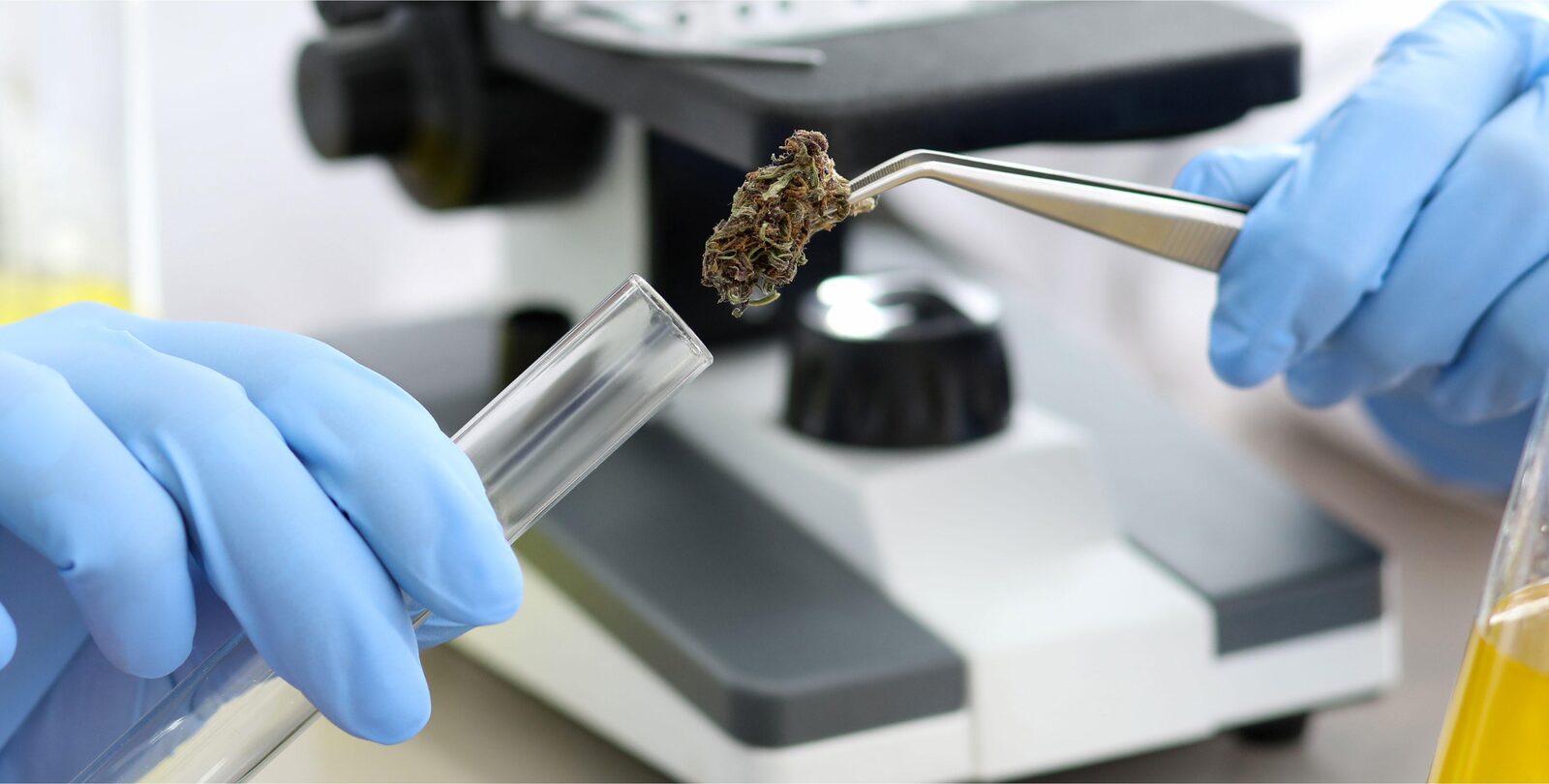
A cropped laboratory table can show a number while hiding what was tested, which batch it describes, which unit applies, and whether the page belongs to a final report. The visible result may be copied accurately and still lack the context needed to evaluate the document.
A full COA versus screenshot comparison is about completeness, not interpreting any specific product. Request the original, complete report and map it to the package before reading individual results.
The header identifies the report and sample
A complete header commonly names the laboratory and client, report or certificate number, product or sample description, matrix, and batch or lot identifier. Those fields connect the analytical pages to a particular submitted sample. A crop centered on a result row may omit every one of them.
Compare the report's product and batch text with the package. A clear screenshot cannot establish that relationship when the identifiers sit outside the frame. Likewise, a logo alone does not identify the report number or show that the pictured page came from that laboratory's complete document.
Methods, dates, analytes, and units supply meaning
Reports may list sample-received, analysis, and issue dates, along with method identifiers. Tables should name the analytes, results, reporting limits or quantitation limits, and units such as percent, milligrams per gram, or milligrams per unit. A crop can separate numbers from any of these labels.
Units are not decoration: the same numeral attached to different units describes a different quantity. Method and date pages also help a reader understand what work the report says was performed and when. Their presence does not validate a product by itself, but their absence from an image leaves basic questions unanswered.
Final-page context can change how a document reads
Later pages may contain authorized signatures, approval dates, accreditation references, revision status, explanatory notes, and statements about how results apply to the submitted sample. They may also show the page count, making an omitted page apparent. A screenshot of page one cannot supply final-page context.
Request the original PDF or laboratory-hosted report rather than a stitched image. Check that page numbering is continuous and that the report is marked final rather than draft when the laboratory uses those labels. Do not edit pages together or infer a signature that is not visible.
Who this comparison helps—and how it differs
The target reader is an adult 21+ deciding whether the document provided is complete enough to inspect. Our closest guide, “How to Read and Verify a Hemp COA,” explains how to evaluate mapped results. This page adds a prior document-control step: obtaining the header, batch, methods, dates, analytes, units, signatures, and notes before interpretation.
Completeness does not prove compliance, safety, authenticity, or suitability, and a crop does not prove deception. It simply supports fewer conclusions because less context is available. Ask for the complete source document and direct product-to-batch mapping without making claims about a specific item.
Frequently Asked Questions
Is a screenshot automatically false?
No. It may reproduce a genuine result accurately, but it can omit the information needed to identify and understand that result.
Which header fields should be visible?
Look for the laboratory, client, report number, sample description or matrix, and batch or lot identifier.
Why do units matter on a COA?
A number has limited meaning without its unit. Percent, milligrams per gram, and milligrams per unit are different expressions.
Does a complete COA prove a product is safe?
No. Completeness lets you inspect what the document reports; it is not a blanket safety or legal conclusion.
What format should I request?
Ask for the complete original PDF or a report hosted through the laboratory or official product verification page, with all pages intact.
Sources & References
- Florida Statutes § 581.217 — State hemp program — Florida Legislature
- General requirements for the competence of testing laboratories — International Organization for Standardization
- Laboratory accreditation program — National Institute of Standards and Technology
This article is general education, not legal or medical advice. Product availability changes — call (407) 286-0540 or text (407) 289-7810 to confirm what's in stock. 21+ with valid ID.
Related resources: Read and verify a complete hemp COA · Browse mapped laboratory reports · Read the full laboratory report
More Lab Reports & Product Verification
Read the next closely related guides in this part of the library.
© 2026 Sand Lake Smoke Shop · 247 Smoke Shop Sand Lake – Universal Studio. Original article by Adil K.. All rights reserved.