Vape Condensation or Leak? An Exterior Check
By Adil K. · Vape Education · Published 2026-09-04 · 7 min read · Published by 247 Smoke Shop Sand Lake / Universal Studio, Orlando, FL · 21+ · Reviewed by 247 Smoke Shop editorial review on 2026-09-04
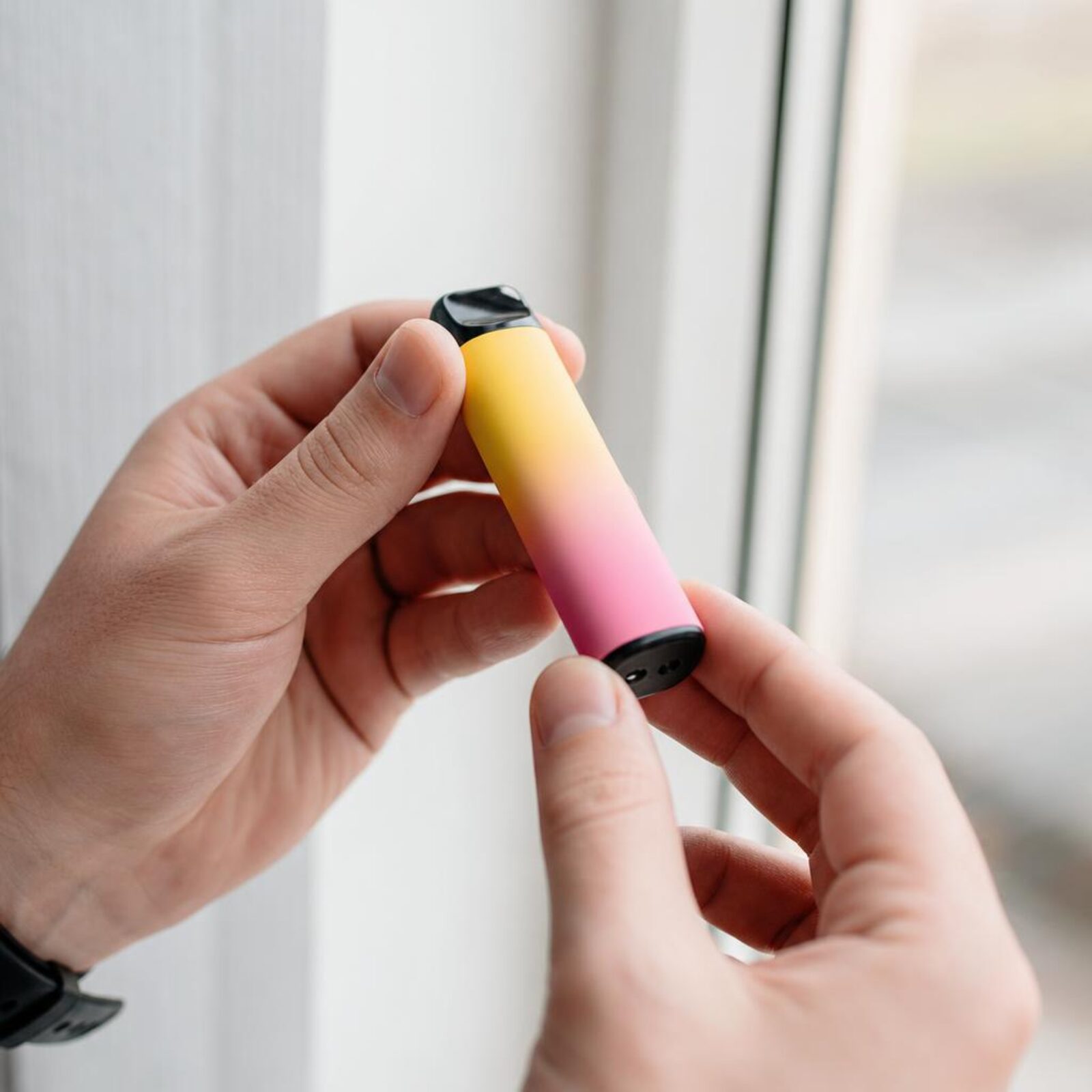
The practical difference is pattern, not a single droplet. A small amount of moisture limited to the mouthpiece may be condensation, while fresh liquid that returns, spreads from a seam, wets the body, or appears around a charging port is more consistent with an active leak. An exterior look cannot identify the liquid or certify the device as safe.
For a vape condensation versus leak check, stop using the device while you observe it. Do not take test puffs, connect a charger, open the case, remove fixed parts, or probe an opening. If there is unusual heat, swelling, odor, hissing, smoke, or fire, move away and treat it as a battery warning rather than a moisture puzzle.
Start with where the moisture appears
Set the device down where it can be viewed without rolling or being squeezed, away from children, pets, direct sun, and anything that can burn. Look at the mouthpiece, body seams, airflow openings, and charging-port area. Use good light; do not insert paper, metal, or a tool into any opening.
Moisture only at the mouthpiece has a plausible condensation explanation because vapor can cool there. That possibility is not a safety finding. Liquid emerging from a seam, collecting at the base, coating a larger part of the device, or reaching the port should be treated as an unresolved leak or contamination concern.
Watch the pattern without testing the device
Note whether the visible spot stays limited or whether new liquid appears while the device sits unused. A dated photograph of the exterior can help document the location and amount. Reappearing or spreading liquid is stronger evidence of an ongoing leak than one isolated surface droplet.
Do not squeeze, shake, inhale through, or power the device to reproduce the condition. Those actions change what you are observing and may move liquid toward the battery or charging port. A dry-looking exterior later also does not prove the interior is dry or undamaged.
Know when moisture becomes a stop-use signal
Stop use and do not charge when liquid is at the port, the case is cracked or distorted, or the device is unexpectedly warm, swollen, discolored, hissing, or giving off an unusual odor. Keep it out of pockets, bags, vehicles, and other confined places while seeking appropriate guidance.
If the device smokes or catches fire, create distance, alert other people nearby, and call emergency services. Do not pick it up for a closer look or carry it to a store or recycler during an active event. A leaking nicotine product should also be kept away from skin, children, and pets.
Choose the next step without opening it
Use the exact manufacturer's instructions for that model if they are available, and report the visible condition through its official support channel. Do not improvise a seal, replace an internal part, force a pod, or rely on instructions for a similar-looking device.
If the device is being retired, EPA says e-cigarettes and lithium batteries do not belong in household trash or curbside recycling. Check an official local household hazardous-waste or battery program before transport, including whether it accepts an intact vape; an actively hot, hissing, smoking, or leaking device is not a routine drop-off.
Who this guide helps and what makes it different
This guide helps adults 21+ who can see unexplained moisture and need to decide whether observation should stop and a safety response should begin. It focuses only on visible location, recurrence, and exterior warning signs, not on diagnosing an internal cause.
The nearest published guide, our disposable-vape-not-hitting troubleshooting article, starts with a device that will not activate. This page is different because visible moisture is the deciding issue; it does not suggest activation checks and never uses another puff or a charge as a test.
Frequently Asked Questions
Does one drop at the mouthpiece prove a vape is leaking?
No. It could be condensation, escaped e-liquid, or another substance. Observe the exterior location and whether fresh liquid returns, but do not use that uncertainty as permission to keep using the device.
Can I charge it if the moisture is only near the mouthpiece?
This guide cannot establish that a wet-looking device is safe to charge. If moisture has reached the body, seam, or port, or its source is uncertain, stop and follow exact manufacturer guidance.
Should I open the case to find the source?
No. Do not disassemble, puncture, pry, or probe a vape. Record only what is visible on the outside.
What if liquid keeps appearing while it sits unused?
Treat recurring or spreading liquid as an unresolved leak concern. Stop use and charging, keep people and pets away, and consult the manufacturer's official instructions.
Sources & References
- E-cigarettes, vapes, and other ENDS — U.S. Food & Drug Administration
- Tips to help avoid vape battery fires or explosions — U.S. Food & Drug Administration
- How to safely dispose of e-cigarettes and vapes — U.S. Environmental Protection Agency
This article is general education, not legal or medical advice. Product availability changes — call (407) 286-0540 or text (407) 289-7810 to confirm what's in stock. 21+ with valid ID. WARNING: This product contains nicotine. Nicotine is an addictive chemical.
Related resources: disposable vape troubleshooting boundaries · vape battery and heat safety · contact 247 Smoke Shop
More Vape Education
Read the next closely related guides in this part of the library.
© 2026 Sand Lake Smoke Shop · 247 Smoke Shop Sand Lake – Universal Studio. Original article by Adil K.. All rights reserved.