Grinder Materials and Chamber Designs Explained
By Adil K. · Accessory Education · Published 2026-09-04 · 7 min read · Published by 247 Smoke Shop Sand Lake / Universal Studio, Orlando, FL · 21+ · Reviewed by 247 Smoke Shop editorial review on 2026-09-04
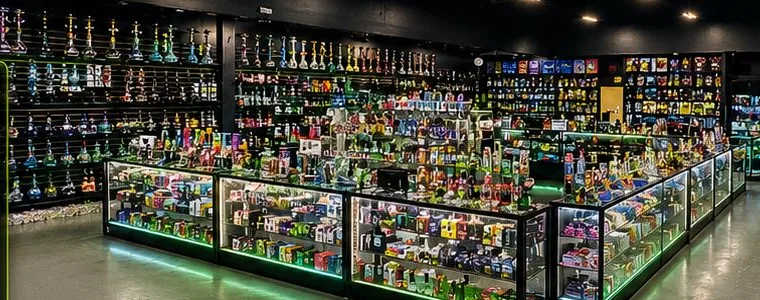
Grinders are easy to compare by color and chamber count, but those details do not answer every practical question. The useful checks are the documented material, how the sections join, whether any screen is removable, and what the maker says about care and intended use.
This is a neutral hardware overview. It does not recommend grinding any particular substance, promise a certain texture, or treat a material name as proof of durability.
Read material labels narrowly
Common product labels include aluminum, stainless steel, zinc alloy, plastic, and wood. Each name covers a broad family or, in the case of wood, many species and finishes. Without more documentation, the label does not establish a specific grade, coating, composition, or manufacturing process.
Check the package for the manufacturer, material disclosure, finish or coating information, and care warnings. Weight, shine, magnet response, or price cannot reliably fill in missing documentation, so describe an unknown material as unknown rather than guessing.
Chambers organize rather than guarantee
A single-compartment design keeps the cutting area and resulting material together. Multi-piece formats may add a separate collection chamber and, on some models, a screen above another compartment. The exact path depends on the model.
More sections do not guarantee finer output, easier cleaning, or longer life. Threads, magnets, press-fit parts, screens, and tooth layouts should be evaluated as individual design features, with removable components handled only as the instructions permit.
Teeth, screens, and maintenance are model-specific
Tooth shape, spacing, count, and alignment vary. Those visible differences can help explain how two mechanisms are arranged, but they do not support a performance promise without a defined maker test.
For cleaning, first check whether the maker permits water, a brush, a particular cleaner, or disassembly. Do not scrape a coated surface with an unapproved metal tool, expose an unknown finish to a solvent, or force threads that are not moving normally.
Who needs this neutral comparison
The target reader is an adult comparing grinder construction without wanting exaggerated “best material” claims. The unique value is a vocabulary for reading the package and inspecting the mechanism while leaving durability and intended-substance claims to documented evidence.
Our closest accessories shopping page shows the broader category. This guide does not claim current inventory or exact compatibility; it explains which questions—grade, finish, chamber path, removable parts, and care—need answers for the exact model.
Frequently Asked Questions
Is stainless steel always better than aluminum?
Not as a universal rule. Both names cover multiple grades and manufacturing choices. Compare documented material, finish, mechanism, care instructions, and the maker's stated use.
Does a four-piece grinder always have a screen?
Do not rely on the piece count alone. Look at the assembly diagram or inspect the exact model with staff assistance to see how its compartments are arranged.
Do more teeth guarantee a finer result?
No. Count is only one design detail. Shape, spacing, alignment, load, and material also affect operation, and a visible count is not a tested performance claim.
Can every grinder be washed with water?
No. Materials, finishes, screens, magnets, and joined parts differ. Follow the model's care instructions rather than assuming it is washable.
Can staff tell what an unlabeled grinder is made from?
Appearance can narrow possibilities but cannot verify composition or grade. Manufacturer packaging or documentation is the appropriate source.
Sources & References
- Aluminum Alloy Designations and Chemical Composition — The Aluminum Association
- Stainless Steel Grades and Families — International Stainless Steel Forum
- Guides Concerning Use of Endorsements and Claims — Federal Trade Commission
This article is general education, not legal or medical advice. Product availability changes — call (407) 286-0540 or text (407) 289-7810 to confirm what's in stock. 21+ with valid ID.
Related resources: Browse published accessory listings · Read cleaner labels and avoid chemical mixing · Ask about a documented product feature
More Accessory Education
Read the next closely related guides in this part of the library.
© 2026 Sand Lake Smoke Shop · 247 Smoke Shop Sand Lake – Universal Studio. Original article by Adil K.. All rights reserved.